
Why Cat Hair Gets Everywhere (And How to Control It)
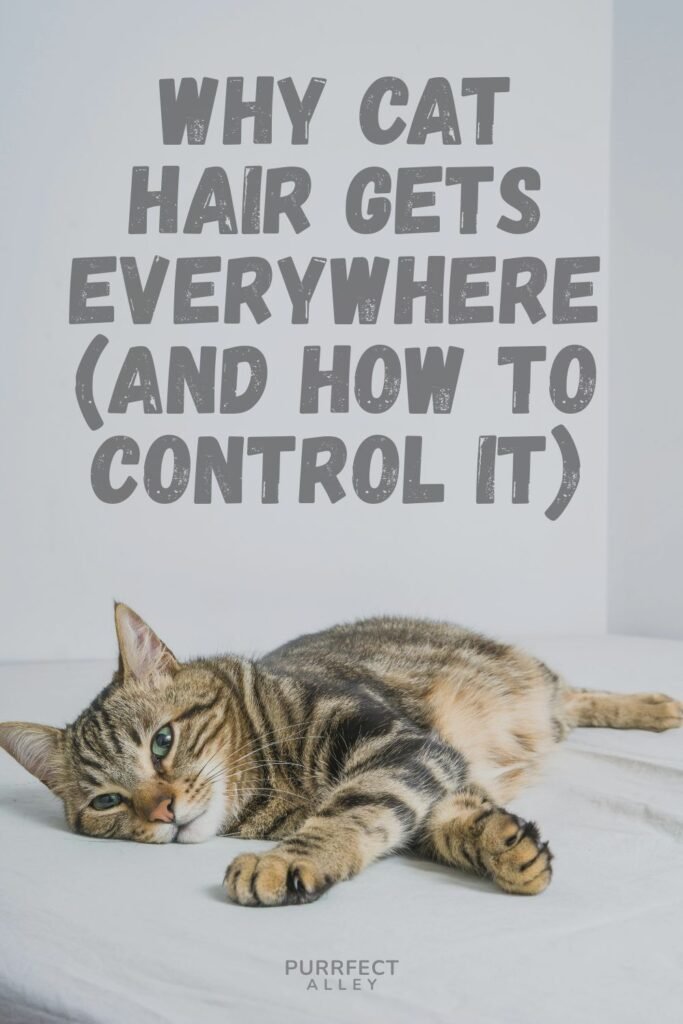
If you’re a cat mom, you’ve probably had this moment: you vacuum the rug, wipe the couch, change the sheets, and somehow there is already fur floating across the room again. It lands on black leggings, fresh laundry, throw pillows, and the one chair your cat technically never uses—except apparently when you’re not looking.
I’ve definitely been there. As much as I adore my cats, there have been days when I’ve wondered how such small creatures can produce so much hair. If you’ve been asking why cat hair gets everywhere for cat moms in the USA, the answer is actually pretty simple: shedding is normal, constant, and influenced by more things than most of us realize.
The good news is that once you understand why cats shed so much, it becomes much easier to manage. You may not be able to stop shedding completely, but you can absolutely reduce the amount of fur floating around your home and make cleaning far less frustrating.
Why Cats Shed So Much
Let’s start with the basics. Cats shed because hair naturally moves through a growth cycle. Old or damaged hairs fall out so new ones can grow in. That process is completely normal and healthy.
Still, some cats seem to shed far more than others. A few common reasons include:
- Seasonal coat changes
- Breed and coat length
- Age
- Stress
- Nutrition
- Skin or health issues
For many cats, shedding increases in spring and fall as their coats adjust to temperature and daylight changes. Long-haired cats usually shed more visibly than short-haired cats, but even short-haired cats can leave fur everywhere. Older cats may also shed more if they groom less efficiently or have underlying health changes.
Indoor cats can be especially confusing because they often shed year-round. Since many homes in the USA use heating and air conditioning regularly, cats may not experience natural seasonal shifts in the same way outdoor animals do. That can lead to a more constant, low-level shedding pattern that makes it feel like the fur never stops.
So if you’ve been wondering why cats shed so much, the answer is often a mix of natural coat cycles and home environment—not just your cat being extra.
Grooming Helps at the Source
If you want to know how to reduce cat shedding in house, grooming is always the first place to start. Brushing your cat regularly removes loose fur before it ends up on your couch, carpets, and clothes.
I’ve found that even a few minutes of brushing several times a week can make a visible difference in how much fur collects around the house. During heavier shedding periods, daily brushing can help even more.
A few grooming tips:
- Use a brush that matches your cat’s coat type
- Brush gently in the direction of the fur
- Focus on the back, sides, neck, and underbelly
- Keep sessions short and positive
- Offer treats or affection afterward
Some cats love brushing right away. Others need time to warm up to it. If your cat is sensitive, try grooming after playtime or while they’re already relaxed.
Regular grooming will not eliminate shedding, but it does reduce the amount of loose hair spreading through your home. It also helps you notice changes in your cat’s coat, skin, or overall health more quickly.
If furniture is one of your biggest struggles, check out our guide to the Best Cat Hair Removers for Furniture for cat moms in the USA.
Diet Plays a Bigger Role Than Many Cat Moms Realize
A healthy coat starts from the inside. One reason fur may seem excessive is that your cat’s skin and coat health are not fully supported by their diet.
Cats need balanced nutrition to maintain healthy skin, strong hair follicles, and a glossy coat. Diets with the right levels of omega-3 and omega-6 fatty acids may help reduce excessive shedding and improve coat condition over time.
A few simple ways to support coat health:
- Feed a high-quality, balanced cat food
- Make sure your cat stays hydrated
- Avoid frequent, sudden food changes
- Ask your vet before adding supplements
Hydration matters too. Cats who do not drink enough water may be more prone to dry skin, which can contribute to increased shedding.
If your cat suddenly starts shedding much more than usual, or you notice bald patches, flaky skin, overgrooming, or irritation, it’s a good idea to check with your veterinarian. Sometimes what looks like normal shedding is actually a sign of stress, allergies, parasites, or another health concern.
Your Home Environment Affects Shedding Too
One of the most overlooked answers to why cat hair gets everywhere for cat moms in the USA is indoor environment. Dry air, stress, lack of enrichment, and inconsistent routines can all affect a cat’s coat and grooming behavior.
Cats tend to do best when they feel safe and settled. Stress can sometimes lead to more shedding or overgrooming. Common triggers include:
- Moving to a new home
- Changes in routine
- New pets or people
- Loud noises
- Boredom or lack of stimulation
To help reduce stress-related shedding:
- Keep feeding and playtimes consistent
- Provide cozy, quiet resting spots
- Offer scratching posts and climbing spaces
- Give your cat daily play and enrichment
- Make sure they have a safe retreat when they want space
As a cat mom, I’ve noticed that when my cats feel calm and settled, everything improves—their behavior, their coat, and yes, even the amount of fur I find around the house.
Use the Right Cleaning Tools for Daily Fur Control
Even with grooming and a healthy routine, some cat hair is inevitable. That’s why smart cleaning tools matter so much.
If you’re trying to figure out How to Stop Cat Hair From Taking Over Your House, focus on tools that catch hair quickly before it spreads from room to room.
The most helpful options include:
- Pet-hair vacuums with strong suction and motorized brushes
- Lint rollers for clothing and furniture
- Rubber gloves for upholstery
- Microfiber cloths and dusters for hard surfaces
- Upholstery tools for couches and chairs
A good vacuum is especially important if you have carpets, rugs, or multiple cats. Fur gets trapped in fibers fast, and regular vacuums often do not lift it as well as pet-specific models.
For product ideas, check out our guide to the Best Vacuum Cleaners for Cat Hair for cat moms in the USA.
Create Cat-Friendly Zones to Contain the Fur
One of the best practical tricks I’ve learned as a cat mom is to guide where the shedding happens. You may not be able to stop your cat from lounging, but you can make their favorite spots easier to clean.
Try setting up:
- Washable cat beds
- Throw blankets on favorite chairs
- Easy-to-clean mats near windows or cat trees
- Slipcovers on sofas and armchairs
If your cat always naps in the same sunny corner, lean into that. Put a cozy, washable bed there and let that become their main lounging area. It won’t stop fur completely, but it can help keep it concentrated in spots that are easier to manage.
This also makes daily cleaning much simpler because you’re not chasing fur across every surface in the house.
Build a Routine Instead of Waiting for Fur Overload
One of the biggest shifts for me was realizing that cat hair is easier to manage in small steps than in giant weekend cleaning sessions. When I wait too long, the fur feels overwhelming. When I stay consistent, it stays manageable.
A simple routine might look like this:
Daily or every other day
- Brush your cat
- Vacuum high-traffic areas
- Lint roll furniture or clothing
- Wipe visible fur from surfaces
Weekly
- Deep vacuum rugs and upholstery
- Wash cat blankets and bedding
- Dust shelves and baseboards
- Clean under furniture and around litter areas
This kind of routine makes a huge difference without requiring perfection. And honestly, perfection is not the goal in a cat home. Comfort and manageability are. For carpets cat hair cleaning, check out our guide How to Remove Cat Hair From Carpets.
Final Thoughts

If you’ve been wondering why cat hair gets everywhere for cat moms in the USA, the short answer is that shedding is a completely normal part of living with cats. Coat cycles, breed, indoor living, diet, and stress all play a role in why cats shed so much.
The good news is that once you understand the cause, you can do a lot to control it. Regular grooming, a healthy diet, reduced stress, washable cat-friendly zones, and the right cleaning tools all help reduce the daily fur battle.
You may never have a totally fur-free home, and that’s okay. A little cat hair is part of loving a cat. But with a few smart habits, you can absolutely create a cleaner, calmer space that works for both of you.
From one cat mom to another, you’re not imagining it—the fur really is everywhere. But it’s manageable, and you’re not alone.
Links may include affiliate partnerships. Purchases support this site at no extra cost to you.